

type
status
date
category
slug
summary
Pinterest Topic
Pinterest Tag
Latest Pin Date
Latest Pin No.
Pin Image
Total Pin Images
All Pins Posted
All Pin Images Created
tags
icon
password
comment

In the summer of 1995, a sound erupted on American radio that was impossible to ignore. It was angry, vulnerable, and brutally honest. It was Alanis Morissette's Jagged Little Pill, an album that would go from a longshot release to the defining soundtrack of the decade. Three decades later, the raw emotion and unfiltered confessions packed into its tracks still hit with the same force, a testament to a young woman who dared to say everything that so many were feeling but couldn't put into words.
The Reinvention of Alanis


Before she became the "queen of alt-rock angst," Alanis Morissette was a teenage dance-pop star in her native Canada. With two albums, Alanis (1991) and Now Is the Time (1992), she had earned platinum sales, a Juno Award for Most Promising Female Vocalist, and comparisons to American pop princesses Debbie Gibson and Tiffany. She had even opened for Vanilla Ice. But the polished pop persona wasn't the real Alanis. Feeling creatively stifled and dropped by her label, she moved from Ottawa to Los Angeles with a new purpose: to write from the heart, no matter how messy it got.

It was there she met producer Glen Ballard, a collaborator who would change the course of her life. Ballard, known for his work with artists like Michael Jackson and Paula Abdul, instantly recognized her immense talent. In his home studio, they began a series of writing sessions that were nothing short of electric. They aimed to write and record one song a day, a process that captured the raw, immediate energy of Morissette's thoughts and feelings. She poured her diary, her frustrations, and her deepest vulnerabilities into the lyrics. The result was a sound that was a world away from her past—a blend of post-grunge rock, irresistible pop hooks, and lyrics that were almost uncomfortably personal.
This new collection of songs was so different, so intense, that nearly every major record label initially passed on it. But Madonna's Maverick Records heard something special and took a chance, signing the 21-year-old and setting the stage for a musical revolution.
The Unfiltered Honesty That Shocked Radio

Jagged Little Pill, released on June 13, 1995, didn't just break from Morissette's past; it shattered the mold for what a female artist was "supposed" to sing about. At a time when mainstream female pop was often sweet and polished, Alanis was a torrent of raw, complicated emotion. She sang about anxiety, depression, religious disillusionment, and the painful realities of navigating relationships and sexism.
Her voice was a force of nature—a dynamic mezzo-soprano that could shift from a whisper to a guttural roar in a single breath. Producer Glen Ballard made the brilliant decision to keep the production clean and centered on that voice, often capturing her vocals in just one or two takes to preserve their raw power. There were no layers of backup singers or excessive studio tricks; it was just Alanis, front and center, with all her raw nerves exposed.
This wasn't just music; it was a conversation, a confessional. She gave voice to the private thoughts and simmering frustrations of a generation of young women (and men) who were tired of pretending everything was perfect. It was the sound of someone finally speaking their truth, and millions of people felt seen and heard for the first time. The album became a cultural touchstone, a source of identity and inspiration for countless fans who found pieces of their own stories in her words.
The Parade of Unforgettable Singles
The slow-burning success of Jagged Little Pill exploded when Los Angeles' influential KROQ-FM radio station put the lead single, "You Oughta Know," into heavy rotation. From there, the album became an unstoppable force, spawning a string of hits that dominated the airwaves for more than a year.
"You Oughta Know"
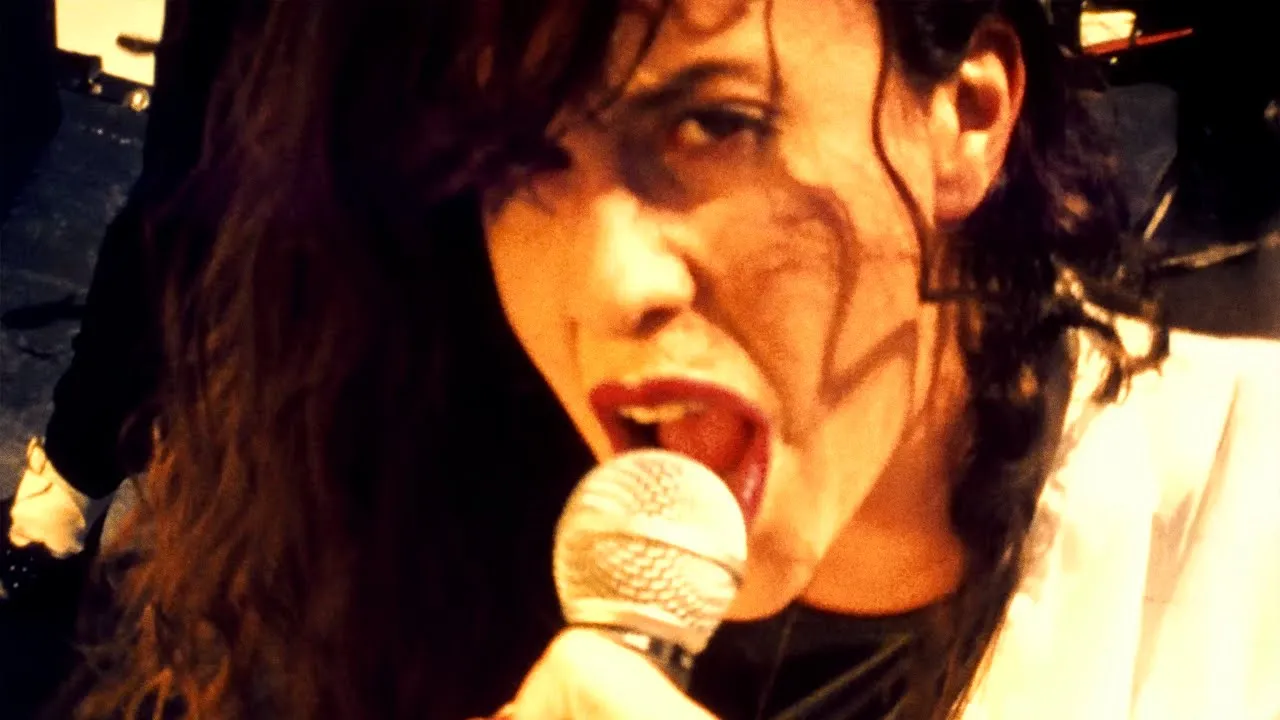
This was the song that started it all. A blistering, vengeful anthem directed at a former lover, "You Oughta Know" was a sonic shockwave. With its explicit lyrics about rage and betrayal—Would she go down on you in a theater?—it was unlike anything else on the radio. Morissette has never officially confirmed who the song is about, but speculation has long pointed to actor Dave Coulier, who has acknowledged the likelihood.


The track's raw power was amplified by the surprise inclusion of Red Hot Chili Peppers' Dave Navarro on guitar and Flea on bass, a last-minute addition that cemented its iconic rock sound. The song earned Morissette Grammys for Best Rock Song and Best Female Rock Vocal Performance, and it remains one of the most powerful breakup songs ever written.
"Hand in My Pocket"

In contrast to the fury of "You Oughta Know," the album's second single offered a message of hopeful resilience. With its easygoing harmonica and stream-of-consciousness lyrics, "Hand in My Pocket" became an anthem for anyone figuring things out. Alanis lists her contradictions—"I'm broke but I'm happy, I'm poor but I'm kind"—and concludes that everything's "gonna be fine, fine, fine." It was a comforting message of self-acceptance that resonated deeply with listeners navigating the uncertainties of young adulthood.
"Ironic"

Perhaps the most ubiquitous single from the album, "Ironic" was a global phenomenon. The song catalogs a series of unfortunate, frustrating situations—"rain on your wedding day," "a black fly in your Chardonnay." It sparked endless debate among English teachers and grammar purists about whether the scenarios depicted were truly ironic or just tragically unlucky. Morissette herself has acknowledged the linguistic critiques with a sense of humor, even adding a line in a 2015 performance: "It's singing 'Ironic', but there are no ironies." Regardless of the debate, the song's catchy melody and relatable tales of life's little frustrations made it one of the defining songs of the 90s. The music video, featuring four Alanises on a road trip, became an MTV staple.
"Head Over Feet"

Showcasing her softer side, "Head Over Feet" is a gentle, heartfelt love song about being swept away by a kind and patient partner. It describes the surprising comfort of finding a friendship and love that feels completely right. The song's sweet sincerity offered a beautiful counterpoint to the album's angrier moments and demonstrated Morissette's incredible range as a songwriter. Like the other singles, it was a massive chart success, keeping Jagged Little Pill firmly in the public consciousness.
The Enduring Legacy of a Perfect Album
Jagged Little Pill was more than just a successful album; it was a cultural phenomenon. It sold over 33 million copies worldwide, making it one of the best-selling albums of all time and the best-selling debut album in history. The album topped the charts in 13 countries and spent 12 weeks at number one on the Billboard 200 in the US. In 1996, Morissette swept the Grammy Awards, winning Album of the Year, Best Rock Album, Best Female Rock Vocal Performance, and Best Rock Song. At just 21, she became the youngest artist at the time to win Album of the Year, a record she held for 14 years.

The album's impact went far beyond sales and awards. Morissette kicked open the door for a new wave of female singer-songwriters who were unapologetically honest, messy, and real. Artists like Fiona Apple, Meredith Brooks, and later, Pink and Avril Lavigne, found a path forward in the space she created. The success of Jagged Little Pill was instrumental in launching the female-centric Lilith Fair festival, which celebrated this new era of empowered women in music.

Thirty years on, the songs still feel as raw and relevant as they did in 1995. The album has been celebrated with anniversary reissues, an acoustic version, and even a hit Broadway musical that reinterprets its themes for a new generation. Jagged Little Pill remains a landmark album not just for the 90s, but for all time—a powerful reminder of the lasting impact of one woman's decision to tell her truth, no matter how jagged it was.
Jagged Little Pill was a deeply personal album for so many. Which song or lyric from this masterpiece still resonates with you the most? Share it in the comments
上一篇
Discontinued Dreams: 15 Snacks from the 90s We'd Do Anything to Eat Again
下一篇
30 Years Ago, a Warrior Princess Changed TV Forever
Loading...


.jpeg?table=block&id=281b5dc8-d074-8091-af61-d532a267112f&t=281b5dc8-d074-8091-af61-d532a267112f)

