

type
status
date
category
slug
summary
Pinterest Topic
Pinterest Tag
Latest Pin Date
Latest Pin No.
Pin Image
Total Pin Images
All Pins Posted
All Pin Images Created
tags
icon
password
comment
You know that feeling? It hits you right in the chest. Like a slow sunrise you can feel in your bones. Warm. Hopeful. But bittersweet—’cause you know it won’t last. That’s what early 90s hip-hop felt like.
It wasn’t just music. It was a frequency. A vibration you could almost touch. Humming through crackly car stereos and boombox speakers. Promising something new was coming. From the late 80s to mid-90s, hip-hop didn’t just grow. It blew up. Two coasts. Two sounds. One big creative peak. It made strong identities. Pushed the genre to new places. Created a mix of hope and harsh reality. And it still matters today.
East Coast’s Jazz Age: Smooth, Soulful, and Smart
New York had a different vibe back then. Smooth. Thoughtful. Deeply soulful. It pushed back against the growing aggression in other hip-hop. The Native Tongues led this. They were a group of artists. Bound by Afrocentricity, positivity, and really caring about original lyrics. Their sound talked to the past and present. Mixed old-school soul with new-school smarts.

A Tribe Called Quest was at the center of this. Albums like The Low End Theory didn’t just make songs. They built whole sound worlds. They stripped hip-hop down to basics—vocals, drums, bass. Made a simple vibe that felt raw but super polished. Q-Tip and Ali Shaheed Muhammad were like jazz experts.

They layered basslines and drum breaks. Felt like a smoky club at 2 a.m. Q-Tip’s abstract poetry matched Phife Dawg’s down-to-earth, street-smart jokes.
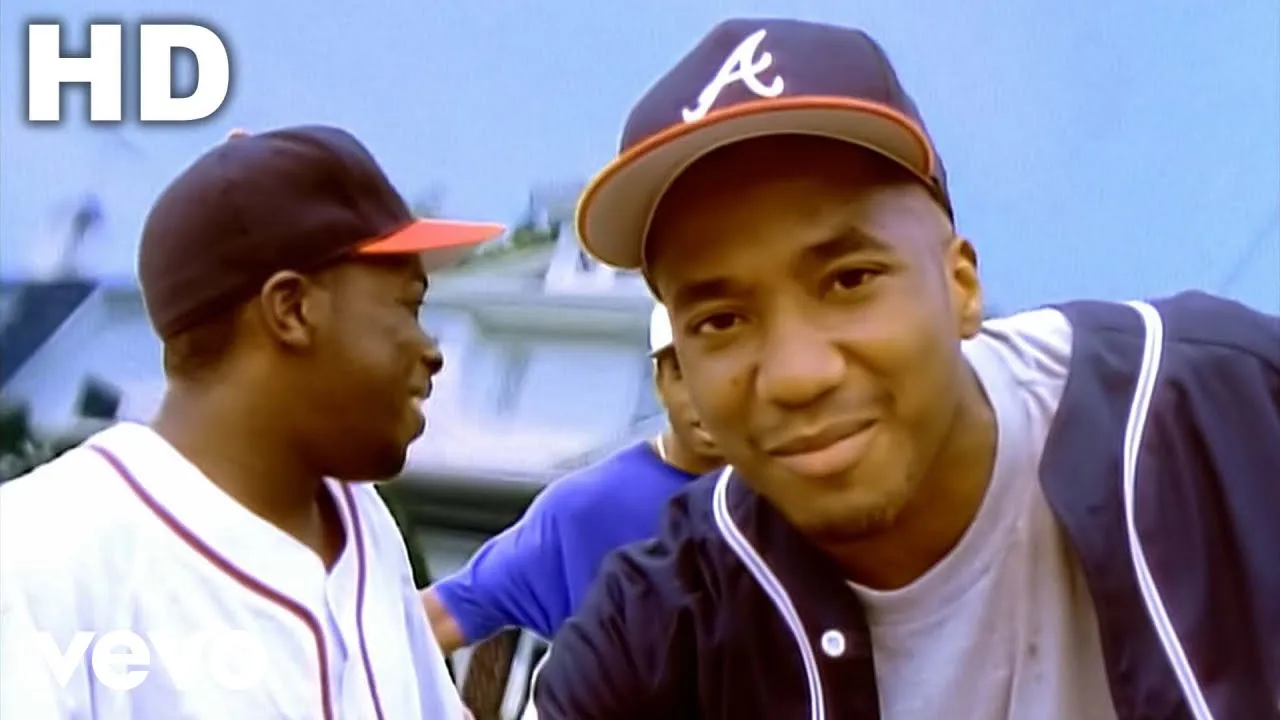
Their back-and-forth on “Check the Rhime”? Total masterclass. Then they dropped “Scenario.” Packed the era’s team energy into one of hip-hop’s biggest posse cuts.

De La Soul came from Long Island. They had a trippy, fun twist. Their 1989 debut, 3 Feet High and Rising, was a sampling masterpiece. A bright mix of funk, soul—even Johnny Cash. With producer Prince Paul, they started the “D.A.I.S.Y. Age” (Da Inner Sound, Y’all). It was a philosophy of peace and positivity. Felt like pure sunshine.

“Me, Myself and I” became an anthem for self-acceptance. Wrapped in beats that were both clever and catchy. De La Soul proved hip-hop could be funny, smart, and soulful—all at once. They also pioneered skits to make albums feel immersive and fun. Together, the Native Tongues showed the world hip-hop could be a place for curiosity and honesty.

West Coast’s G-Funk Takeover: Slow, Low, and Hypnotic
While the East Coast was into jazz, a sound earthquake was happening on the other side of the country. In 1992, Dr. Dre dropped The Chronic. That album didn’t just change the game. It made a whole new sound world. This was G-funk’s birth. A sound as L.A. as palm trees and hazy golden sunlight. Slow. Melodic. So hypnotic you couldn’t resist.

Dre took 1970s Parliament-Funkadelic’s core. But he didn’t just loop it. He reworked it. Added thick, rolling basslines. High-pitched, whiny synths. Soulful female vocals. The result? A sound that was laid-back but tough. Perfect for cruising down Crenshaw Boulevard.
Then came Snoop Doggy Dogg. His voice was the final piece. Snoop’s “lazy drawl” was slurred and melodic. Smooth but street-smart. Made gang life stories sound almost tempting. His chemistry with Dre? Pure magic. “Nuthin’ but a ‘G’ Thang” wasn’t just a song. It was the ultimate West Coast cool anthem. The music video had lowriders and backyard barbecues. Sent L.A. life to every corner of the world. The Chronic wasn’t just an album. It was a cultural thing. Redefined gangsta rap. Made it sound rich, easy to get into, and a commercial hit.

Raising the Bar: A Lyrical Revolution
New sounds were changing the coasts. And a lyrical revolution was starting. A new group of MCs came up. They treated the mic like a paintbrush. Made vivid, detailed, personal pictures of their worlds. They were poets of the streets. Took rapping to amazing new levels.

In 1994, a 20-year-old from Queensbridge projects named Nas dropped his debut, Illmatic. In just 39 minutes, he changed hip-hop lyrics forever. Illmatic is like a movie. Raw. No filters. Shows life in the projects. Nas’s rhymes are dense. Full of internal rhymes and clear images. Pull you right into his world.
On “N.Y. State of Mind,” his urgent flow paints a world where paranoia keeps you alive. He famously says, “I never sleep, ’cause sleep is the cousin of death.” The album’s production was done by a great team—DJ Premier, Pete Rock, Q-Tip. It was the perfect simple but rich background for his talent. It wasn’t a big commercial hit at first. But its influence hit right away. Inspired a generation of rappers to be more poetic, honest, and detailed.

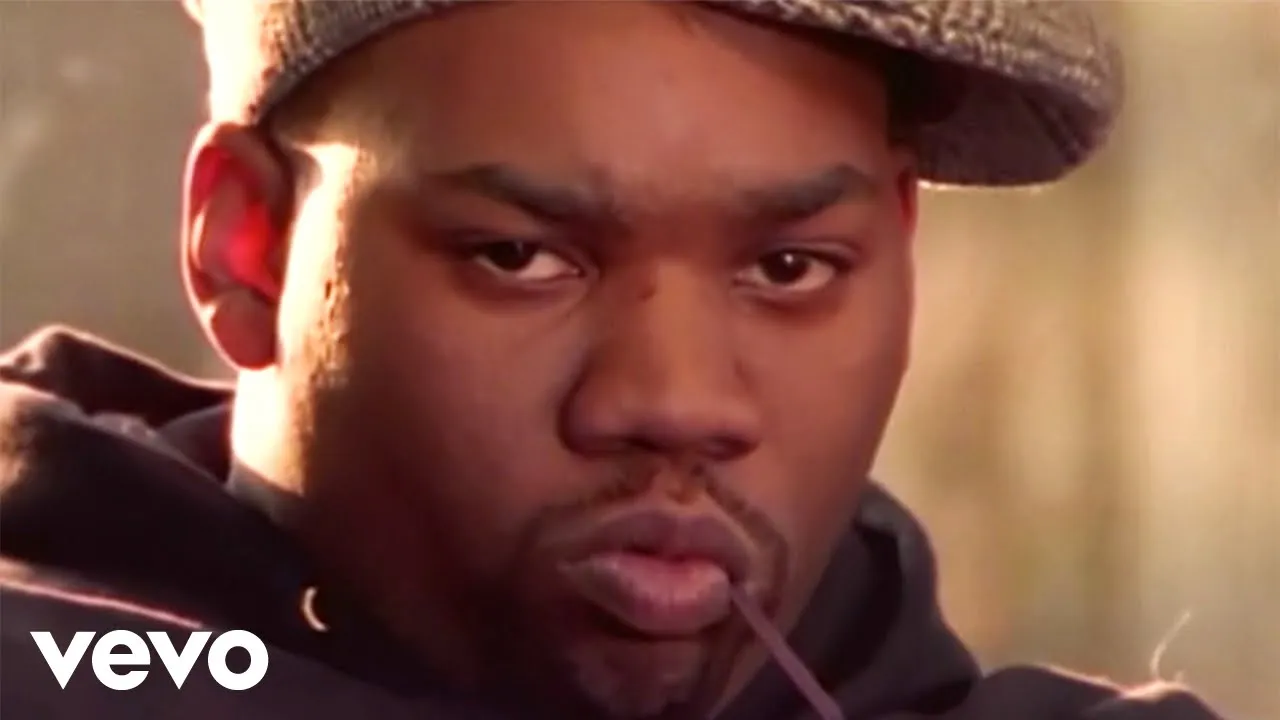
The same day A Tribe Called Quest released their third album in 1993, a wild, one-of-a-kind group from Staten Island dropped their debut. The Wu-Tang Clan’s Enter the Wu-Tang (36 Chambers) wasn’t a polished film. It was a raw, uncut documentary. Its sound was gritty and lo-fi. Hard beats.

Soul samples. Clips from old martial arts movies. Sounded like nothing else. It was a direct, tough response to the polished G-funk out west. The Clan had nine different personalities. Method Man’s charm. Ol’ Dirty Bastard’s wild unpredictability. Their lyrics mixed street smarts, Five-Percent Nation teachings, and comic book stories.
“C.R.E.A.M. (Cash Rules Everything Around Me)” became an anthem for the hard money struggles they faced. Enter the Wu-Tang didn’t just make a blueprint for hardcore hip-hop. It also helped New York be a top force in the genre again.
More Than Music: A Cultural Imprint
Early 90s hip-hop’s creative boom couldn’t be contained. It spread to every part of youth culture. Shaped fashion, language, and attitude for a generation.

The 90s look—shown to the world through music videos—was all about rebelling against the mainstream. Baggy jeans. Big T-shirts. Hoodies. Those were staples. Athletic wear from Nike and Adidas became part of the culture.


Timberland boots were East Coast status symbols. Nike Cortez sneakers were big on the West Coast. You had to wear a hat—Kangol bucket hats, snapbacks. This era also saw black-owned brands like FUBU and Karl Kani grow. Turned streetwear into a big industry. Gave the community control over its style.

Slang from rap verses made its way to the mainstream. Became part of everyday talk. Hip-hop gave a voice to people who didn’t have one. Talked about social issues, race, inequality—stuff the media often ignored. It became a source of identity and pride. A cultural movement that empowered and inspired. Left a clear, lasting mark on everything—from movies to high fashion.
The early 90s gave us a ton of classic hip-hop albums. What’s your must-have album from this golden age? Drop your pick in the comments below.
上一篇
A Pocket Full of Quarters: Chronicling the 90s Mall Arcade
下一篇
A Definitive Ranking of the 90s Christmas Movie Canon
Loading...


.jpeg?table=block&id=281b5dc8-d074-8091-af61-d532a267112f&t=281b5dc8-d074-8091-af61-d532a267112f)

