

type
status
date
category
slug
summary
Pinterest Topic
Pinterest Tag
Latest Pin Date
Latest Pin No.
Pin Image
Total Pin Images
All Pins Posted
All Pin Images Created
tags
icon
password
comment
In the great console wars, there are winners and losers. And then there's the Sega Dreamcast. Launched on the unforgettable date of 9/9/99, it was a flash of brilliance—a console ahead of its time with a library of pure creativity. On its 26th anniversary, we're paying tribute to the little white box that was gone too soon. A flicker in the grand timeline of gaming, yet a universe of vibrant, unforgettable moments that still hum in the quiet parts of our memory. It wasn’t just a machine; it was a feeling, a brief, beautiful rebellion against the expected.
That looping, orange swirl. A sound somewhere between a friendly chime and a digital sigh. For those who were there, the Dreamcast’s boot-up screen is a portal. It’s the quiet of a late night, the buzz of something new and thrilling, a promise of worlds unlike any other.

The Legendary 9/9/99 Launch
The anticipation was a current running through the entire gaming world. Sega, after the stumbles of the Saturn, needed more than a win; they needed a phenomenon. And for a moment, they captured lightning. The "9/9/99 for $199" campaign was pure marketing genius—a date that felt like the future had arrived, priced for everyone. Sega shattered sales records, earning an astonishing $98.4 million in the first 24 hours. It was, for a time, the most successful console launch in history, a tidal wave of excitement that swept up everyone in its path.

We lined up, saved our allowances, and read every magazine page thin. The Dreamcast felt different. It was a clean slate, a sleek white and grey box with a bold, hopeful orange swirl. It didn’t look like the dark, serious consoles that preceded it. It looked... friendly. It looked like fun. It was Sega's defiant, brilliant roar, a statement that they were not only still in the game but were ready to change it.
Online Gaming and a Screen in Your Controller

Today, every console is an online machine. But in 1999, the idea of playing with someone across the country, right from your living room, felt like science fiction. The Dreamcast made it a reality. It was the first console to include a built-in modem right out of the box. Suddenly, the world of gaming expanded beyond the couch. Games like Phantasy Star Online weren't just adventures; they were communities, late-night gatherings of friends from across the globe battling monsters together.


And then there was the controller. Big, comfortable, and strange, it held a secret. Right in the middle was a slot for the Visual Memory Unit, or VMU. This wasn't just a memory card; it was a tiny, removable screen. It would show in-game information, little animations, and—most magically—you could take it with you.


In Sonic Adventure, you could download a Chao and raise it like a tiny virtual pet on your VMU, then bring its progress back to the main game. It was a small thing, a little grey box with a tiny screen, but it felt like a piece of the game world you could hold in your hand. It was a whisper of a future that wouldn't be fully realized for another decade.
A Library of Pure Arcade Fun
More than anything, the Dreamcast is remembered for its games. It was a treasure chest of creativity, a console that felt like Sega had thrown open the doors to their arcade past and let the magic spill out. The result was a library pulsing with color, energy, and sheer, unadulterated fun.
Soul Calibur:

No discussion of the Dreamcast is complete without Soul Calibur. To call it a launch title feels like an understatement. It was a declaration. This was a fighting game so beautiful, so fluid, it felt impossible for a home console. Many still argue it’s the greatest launch title ever made. The graphics were mind-blowing, the gameplay was perfection, and it showcased the raw power of this new machine in a way that left jaws on the floor.
Crazy Taxi:

Then there was the sheer, joyful chaos of Crazy Taxi. The premise was simple: get your passengers to their destination as fast as possible, rules of the road be damned. With its punk rock soundtrack and sun-drenched, San Francisco-inspired streets, it was pure, distilled arcade bliss. You weren't just playing a game; you were performing a loud, vibrant, and utterly ridiculous symphony of speed and destruction.
Jet Grind Radio:

And how could we forget the style of Jet Grind Radio? With its cel-shaded graphics that looked like a comic book sprung to life, it was an explosion of art and attitude. You were a graffiti-tagging skater, grooving to an infectious soundtrack, and sticking it to the man. It was a game that wasn’t just fun to play; it was just cool to exist in its world.


This was the Dreamcast's soul. Games like the sprawling, ambitious Shenmue, a title so grand it felt like living another life. Or the NFL 2K series, which for the first time, gave the dominant Madden franchise a real run for its money. Each game felt like a passion project, a burst of an idea so wild it just might work.
Why We Still 'Think' About the Dreamcast
Its time was so short. Barely 18 months after its triumphant launch, Sega announced it was discontinuing the Dreamcast and exiting the console hardware business. The reasons are complex—the financial strain from the Sega CD, 32X, and Saturn; the lack of support from key third-party developers; and most of all, the colossal shadow of the upcoming PlayStation 2, which promised not just games, but a built-in DVD player. The hype for the PS2 was a tidal wave that the Dreamcast, for all its brilliance, couldn't withstand.
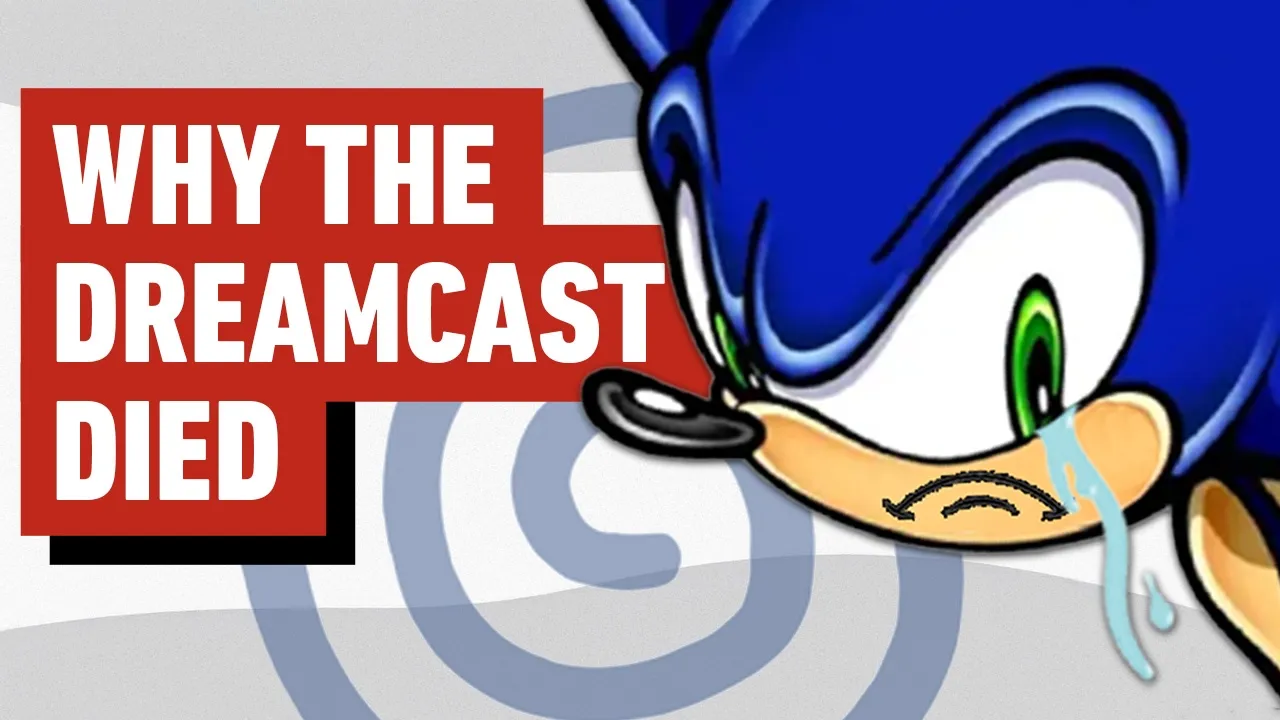
The end was quiet. Not with a bang, but with a slow fade as the world turned its attention to the next big thing. And yet, the Dreamcast never truly disappeared. Its spirit echoes in the online worlds we now take for granted, in the creative risks we see in independent games, in the vibrant art styles that break from realism.
Thinking about the Dreamcast now feels like remembering a cherished, fleeting dream. It was a console built on hope, creativity, and a touch of that classic Sega arcade swagger. It wasn't about dominating the world; it was about creating worlds you'd never want to leave. It was gone too soon, a brilliant flame extinguished before its time. But for those of us who were there, who plugged in that modem, who stared in wonder at that little screen in our controller, and who lost ourselves in its library of pure, unfiltered joy, the Dreamcast is more than a memory. It's a reminder of a time when a little white box dared to think differently.
The Dreamcast's time in the spotlight was short, but its legacy is huge. What was your favorite game on this legendary console? Share your memories in the comments
上一篇
We Are the Titans: Celebrating 25 Years of the Movie That Taught Us About Unity
下一篇
Your 1996 Shopping Cart: The 15 Most Essential 90s Back-to-School Supplies
Loading...


.jpeg?table=block&id=281b5dc8-d074-8091-af61-d532a267112f&t=281b5dc8-d074-8091-af61-d532a267112f)

