

type
status
date
category
slug
summary
Pinterest Topic
Pinterest Tag
Latest Pin Date
Latest Pin No.
Pin Image
Total Pin Images
All Pins Posted
All Pin Images Created
tags
icon
password
comment

In the fall of 1991, the music world was a kingdom of hairspray and guitar solos. Then, a quiet, unassuming band from the Pacific Northwest released an album with a naked baby on the cover, and everything changed. This is the story of Nirvana's Nevermind, the album that didn't just top the charts—it rewrote them.

The World Before Nevermind
To understand the seismic shift that was Nevermind, you have to remember what American rock radio sounded like in the summer of 1991. It was the era of glam metal, a time when bands like Poison, Mötley Crüe, and Warrant dominated the airwaves. The prevailing sound was polished, anthemic, and often centered on themes of partying and excess. Rock stars were larger-than-life figures, defined by their elaborate stage shows and extravagant lifestyles. Music was driven by image as much as content, a spectacle of leather and pyrotechnics that, to some, felt increasingly detached from reality.

Beneath this glossy surface, however, something else was brewing. In the underground scenes of cities like Seattle, a grittier, more authentic sound was taking shape. It was a fusion of punk rock's raw energy and heavy metal's powerful riffs, a sound that would come to be known as grunge. Bands like Soundgarden and Alice in Chains were already making waves, but the music remained largely confined to college radio and independent record stores. Mainstream rock, for the most part, was still a world away from the raw, emotional honesty that was about to be unleashed.
The 'Teen Spirit' Firestorm
On September 10, 1991, Nirvana released "Smells Like Teen Spirit," the lead single from their second album, Nevermind. The song was a sonic paradox, a quiet, clean guitar riff that exploded into a furious, distorted chorus. It was a sound that Kurt Cobain himself described as an attempt to write "the ultimate pop song," inspired by the soft-and-loud dynamics of one of his favorite bands, the Pixies.

The song's title came from a phrase scrawled on Cobain's wall by his friend Kathleen Hanna, the lead singer of the riot grrrl band Bikini Kill. Hanna was referring to a deodorant brand, but Cobain, unaware of the product, interpreted the phrase as a revolutionary slogan, a perfect fit for the song's themes of youthful apathy and rebellion.
Initially, DGC Records hoped to sell around 250,000 copies of Nevermind, a modest goal based on the success of other alternative bands like Sonic Youth. The album debuted at number 144 on the Billboard 200 chart. But then came the music video.
Inspired by Jonathan Kaplan's 1979 film Over the Edge and the Ramones' movie Rock 'n' Roll High School, the video for "Smells Like Teen Spirit" depicted a high school pep rally descending into chaos. It first aired on MTV's late-night alternative music show, 120 Minutes, on September 29, 1991. The raw energy of the video, featuring real fans as extras, struck a chord with a generation of young people who felt disconnected from the polished pop and hair metal that dominated the channel.

MTV soon put the video into heavy rotation, and the response was overwhelming. "Smells Like Teen Spirit" became an anthem for a generation, a rallying cry for the disillusioned youth of the early '90s. The song's cryptic lyrics, often difficult to decipher, only added to its allure.

The success of the single and its video propelled Nevermind up the charts. By Christmas of 1991, the album was selling 400,000 copies a week in the US alone. Then, on January 11, 1992, the unthinkable happened: Nevermind knocked Michael Jackson's album Dangerous out of the number one spot on the Billboard 200 chart. A band that had been playing to small clubs just months earlier had dethroned the "King of Pop." A new rock revolution had begun.
More Than an Album: A Cultural Tsunami
The success of Nevermind was more than just a musical phenomenon; it was a cultural tsunami that reshaped the landscape of popular music and fashion. The album's raw, unpolished sound, a stark contrast to the slick production of the '80s, brought alternative rock crashing into the mainstream. It opened the floodgates for a wave of other Seattle bands like Pearl Jam and Soundgarden, and the "grunge" movement became a global sensation.


Radio formats were forced to adapt to the new sound, and the term "alternative rock" entered the mainstream vocabulary. The music industry, once focused on image and spectacle, now prized authenticity and raw emotion. Nirvana redefined what it meant to be a rock star. They were reluctant heroes who shunned the excesses of their predecessors, their humble backgrounds and anti-establishment attitude resonating with a generation that was tired of artifice.


The band's aesthetic, born out of the thrift stores of the Pacific Northwest, became the uniform of a generation. Flannel shirts, ripped jeans, and Doc Martens became staples of '90s fashion, a rejection of the polished glamour of the previous decade. Kurt Cobain, with his oversized sweaters and unkempt hair, became an unlikely fashion icon, his "anti-fashion" stance paradoxically setting trends that would be emulated on high-fashion runways for years to come.
The Complicated Legacy of a Masterpiece
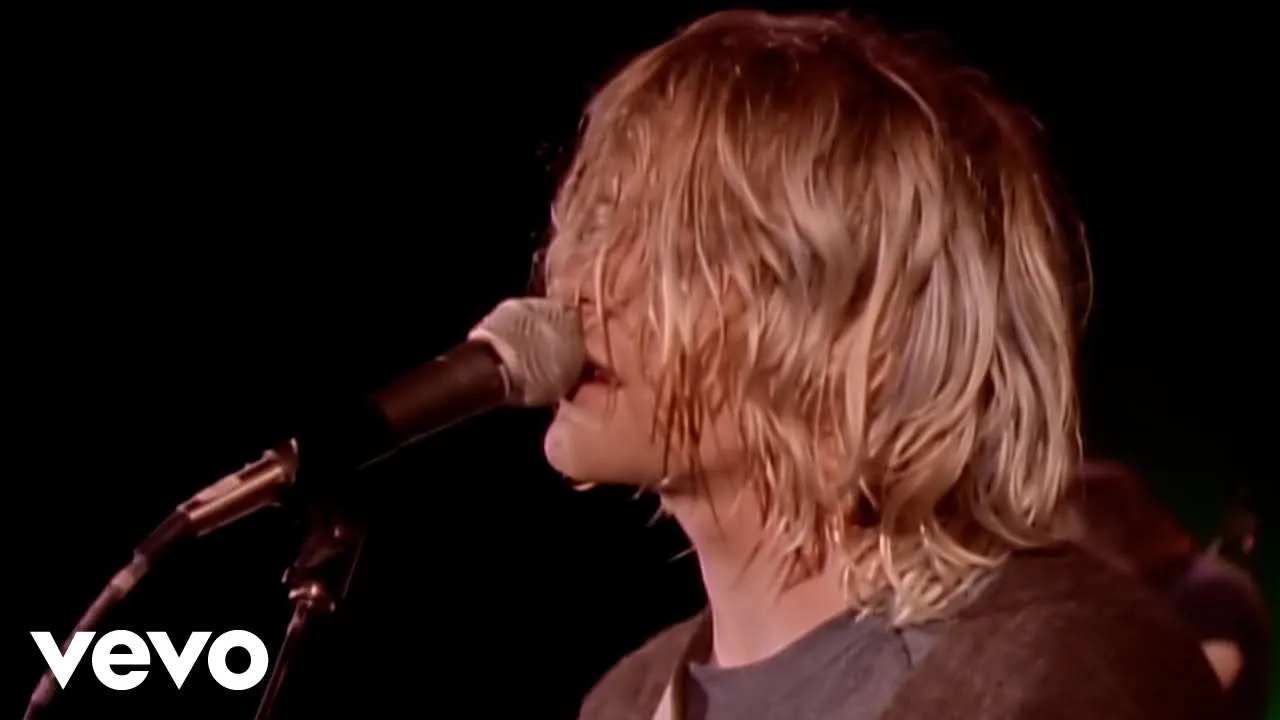


While "Smells Like Teen Spirit" was the song that lit the fuse, the enduring power of Nevermind lies in the depth and diversity of its other tracks. "Come as You Are," with its iconic, swirling guitar riff, became another massive hit, reaching number 32 on the Billboard Hot 100. "Lithium" and "In Bloom," with their powerful dynamics and introspective lyrics, showcased Cobain's remarkable ability to blend punk aggression with pop sensibilities. The album also revealed a quieter, more vulnerable side to the band with the acoustic ballads "Polly" and "Something in the Way."

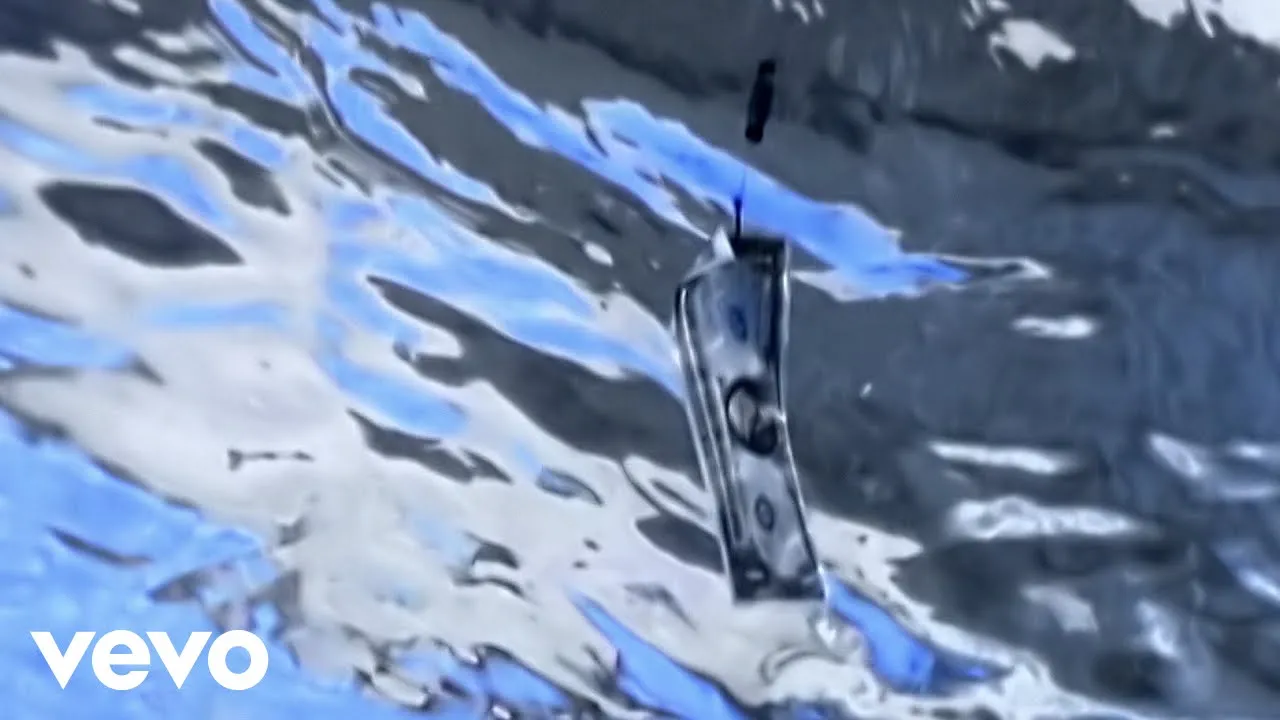
The album's iconic cover art, a naked baby swimming towards a dollar bill on a fishhook, has become one of the most recognizable images in music history. Conceived by Cobain after watching a documentary on water births, the image has been interpreted as a powerful metaphor for the loss of innocence and the corrupting influence of money.
Thirty-four years later, the legacy of Nevermind is as complicated as it is profound. It's an album that sold over 30 million copies worldwide, an album that has been added to the National Recording Registry for its "cultural, historical and aesthetic significance," and an album that continues to inspire new generations of musicians and fans. It's also an album that brought with it a level of fame and pressure that its creators, particularly Kurt Cobain, were ill-equipped to handle.

Nevermind was a defining album for so many. It was the soundtrack to a moment in time, a voice for a generation that felt overlooked and misunderstood. It was a lightning-in-a-bottle moment that changed music forever.
What's your strongest memory of hearing Nirvana for the first time? Share it in the comments
上一篇
Your 90s Closet, Revisited: 20 Fashion Trends We All Wore
下一篇
We Are the Titans: Celebrating 25 Years of the Movie That Taught Us About Unity
Loading...


.jpeg?table=block&id=281b5dc8-d074-8091-af61-d532a267112f&t=281b5dc8-d074-8091-af61-d532a267112f)

